
Geog3434
Semester 1
Natural Climate Solutions
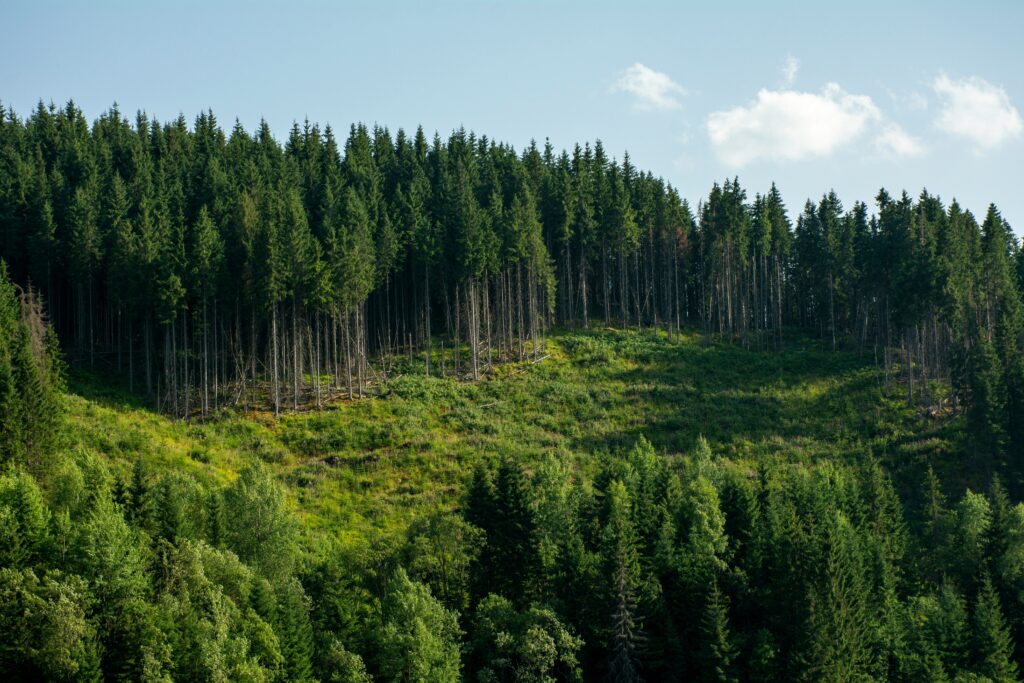
This course provides a comprehensive exploration of Natural Climate Solutions (NCS), moving from fundamental Earth system science to policy and market applications. We will primarily examine the forest’s critical role in the global carbon cycle and analyze the drivers of land-use change, which represents both a major climate challenge and the greatest mitigation opportunity. The course will systematically introduce various forest-based NCS strategies (e.g., protection, restoration, and wood bioeconomy) alongside the technical frameworks for carbon accountingand the crucial standards for integrity. The course will help students understand corporate climate targets, regulatory compliance, and evaluate the necessary trade-offs between carbon, biodiversity, and community livelihoods. Designed for future leaders in sustainability consulting and environmental policy, this course provides the scientific rigor and practical approaches required to transition forests from a climate problem into the world’s most vital solution.
Geog3205
Semester 2
Environmental Hazards
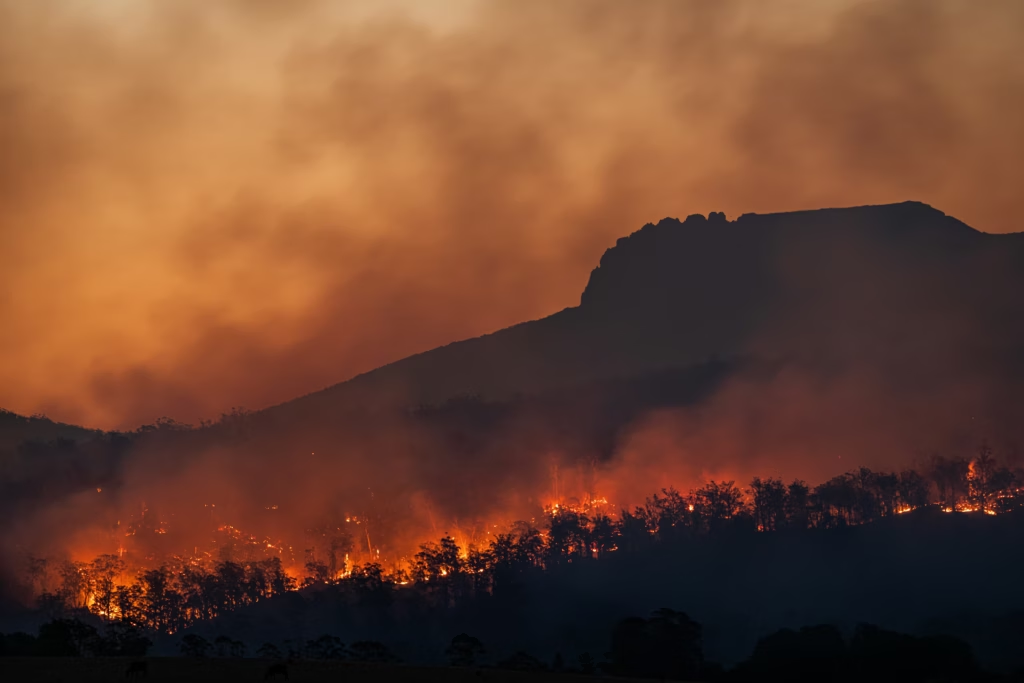
The course introduces essential principles of risk assessment, risk perception, vulnerability, exposure, and resilience, as well as practical approaches to hazard management. It examines a range of hydrometeorological, geological, biological, and technological hazards, focusing on their origins, characteristics, and impacts on human society. Basic methods for hazard assessment and key approaches to mitigation, preparedness, response, and recovery are outlined. The course also addresses emerging issues such as climate-driven extremes, compound hazards, and socio-natural risks shaped by urbanization and environmental change. Where practicable, local and regional examples will be used for illustration.

Geog2150
Semester 2
Introduction to China’s Environmental and Sustainable Development Issues
China is prone to natural resources degradation due to its geographic characteristics and its large population. Environmental problems have been accelerated by not only the rapid economic growth of recent years but also the high intensity of energy use, particularly in the industrial sector. These factors combined with economic and pricing policies failing to account for the intrinsic value of natural resources have led to their over-exploitation. This course provides a general overview of China’s natural environment; examines its institutional, legislative and administrative frameworks in environment protection and nature conservation; and discusses the government’s strategies for environmental protection and sustainable development.