

Grounding climate mitigation in land realities
We study land-climate interactions. We assess emerging pressures on land systems and design pathways to cut land-based emissions. We also examine how terrestrial ecosystems respond to climate variability.
Our strength is transparent carbon accounting for land use activities. We specialize in biophysical modeling tools (such as forest carbon dynamics, land surface fluxes, and agricultural life cycle assessment) and integrate evidence from remote sensing, national inventories, and field observations. Our work informs climate policy and delivers actionable insights for food security, sustainable land management, and natural climate solutions.

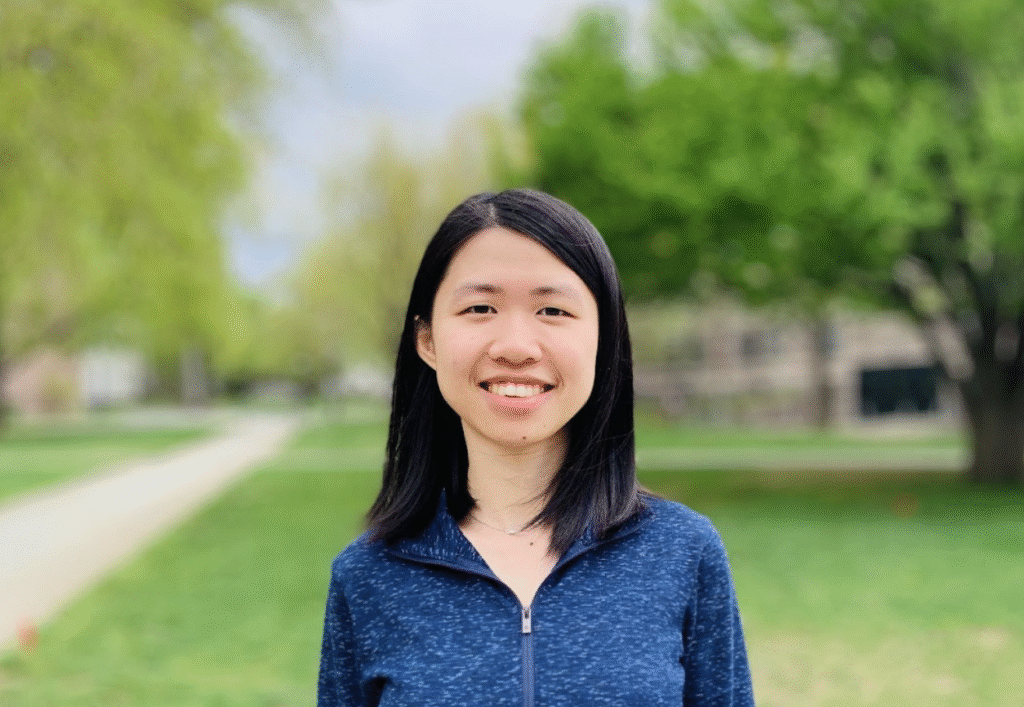
Liqing Peng is a joint assistant professor in the Department of Geography and the Institute for Climate and Carbon Neutrality at HKU. She is the leader of the APLUS lab.






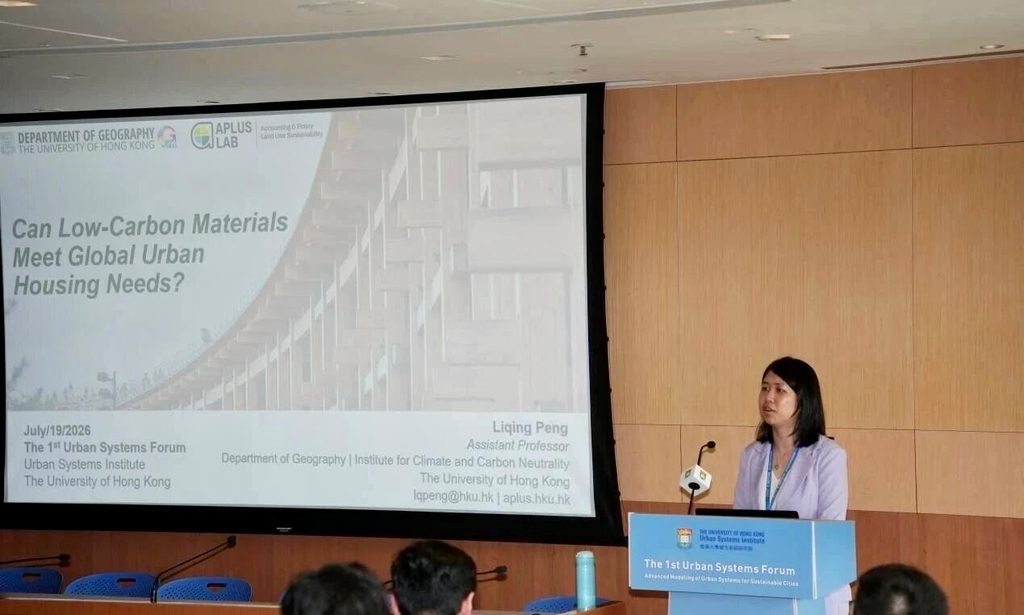
july, 2026
Liqing gave an invited talk, Can Low-Carbon Materials Meet Global Urban Housing Needs?, at the 1st Urban Systems Forum, hosted by HKU’s Urban Systems Institute. Liqing discussed how carbon accounting and material-supply constraints shape the climate potential of timber, bamboo, and low-carbon concrete. The forum brought together diverse perspectives on how advanced modelling and AI can support more sustainable cities.
June, 2026
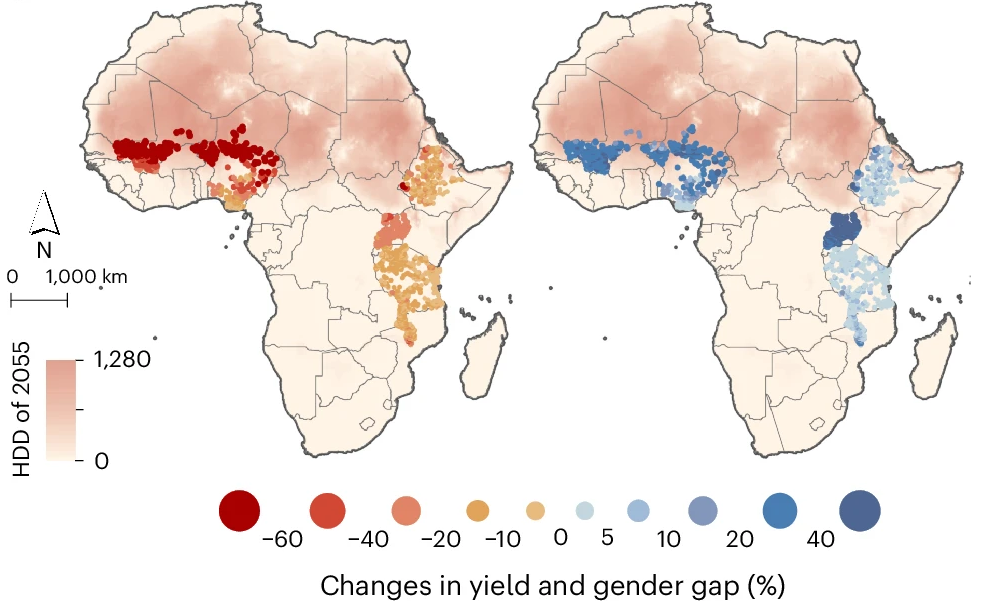
Does extreme heat affect female and male farmers equally? Our new paper in Nature Sustainability examines more than 60,000 agricultural plots across sub-Saharan Africa and finds the marginal effect of the same exogenous weather shock differs by gender. The study highlights how unequal access to resources and adaptation options can amplify climate impacts, underscoring the need for gender-responsive climate adaptation in agriculture.
APRIL, 2026
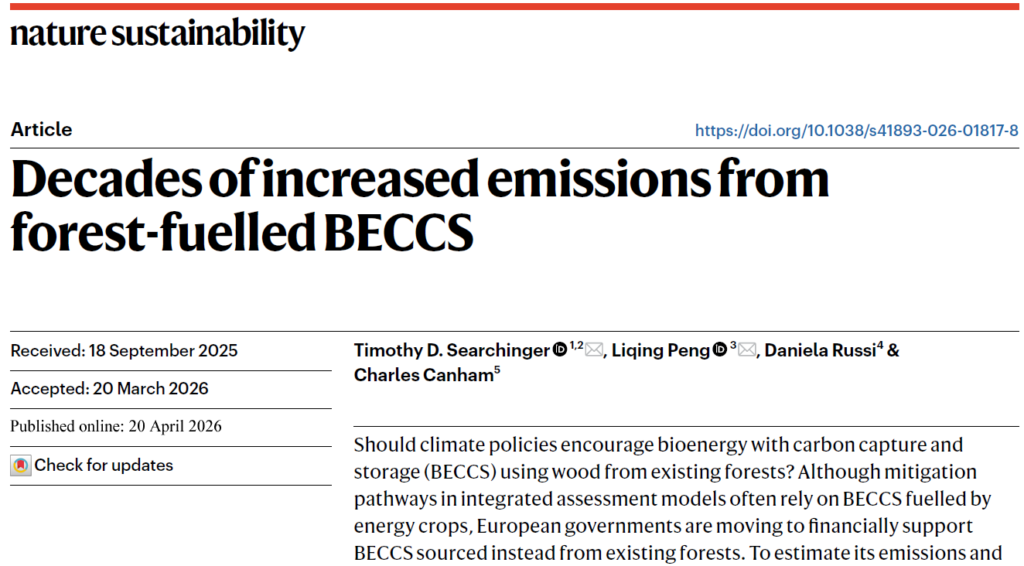
Can wood-based BECCS really deliver the negative emissions it promises? Our paper in Nature Sustainability provides a full carbon accounting of forest-based BECCS, from harvest and regrowth to processing, combustion, and carbon capture. It shows that once all system-wide carbon losses are counted, wood-based BECCS often emits more than natural gas with CCS, making meaningful climate benefits much harder to achieve than commonly assumed. Read more in our blog here