

Forest Carbon Dynamics & Accounting
We investigate the carbon impacts of rising wood demand and explore how forests can be protected, restored, and managed to balance climate, biodiversity, and economic benefits in the future. We also evaluated how climate change affects forest carbon dynamics and wood production. By integrating long-term remote sensing observations and national forest inventories into transparent modeling approaches, we provide carbon impact assessments for various forest management practices and future demand levels. We investigate the growing global land squeeze as populations rise toward 10 billion by 2050, increasing demands for food, wood products, and urban expansion.
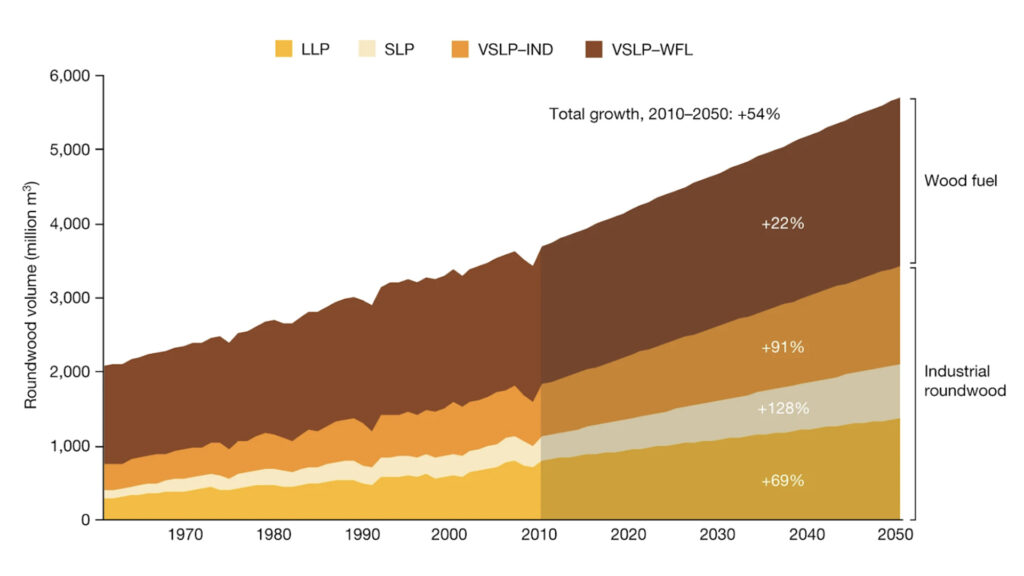
Peng, L., Searchinger, T. D., Zionts, J., & Waite, R., 2023. The carbon costs of global wood harvests. Nature, 620(7972), 110-115. https://doi.org/10.1038/s41586-023-06187-1
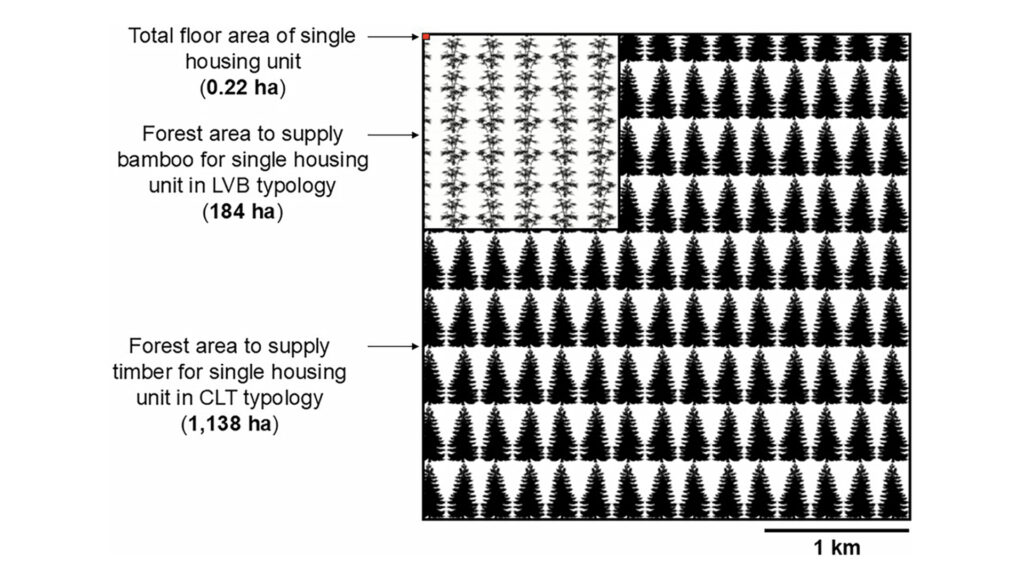
Hafez, H., Marsh, A. T. M., Flegar, M., Peng, L., Scrivener, K. L., 2026. Low-carbon concrete has the potential to meet global urban housing needs by 2050. Communications Sustainability, 1, 28. https://doi.org/10.1038/s44458-025-00027-1
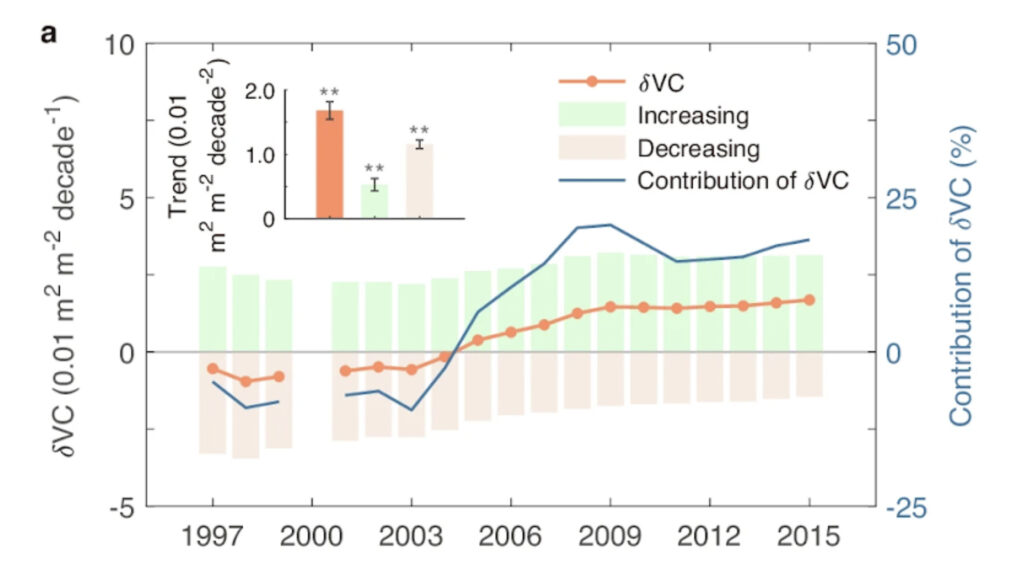
Wang, D., Ziegler, A. D., Holden, J., Spracklen, D. V., Ciais, P., Peng, L., & Zeng, Z., 2025. Vegetation cover change as a growing driver of global leaf area index dynamics. Nature Communications, 16, 9259. https://doi.org/10.1038/s41467-025-64305-1
Selected publications
- Searchinger, T. D., Berry, S., & Peng, L., 2025. Reply to: Carbon implications of wood harvesting and forest management. Nature, 646, E20–E23. https://doi.org/10.1038/s41586-025-09381-5
- Feng, Y., Zeng, Z., Searchinger, T. D., Ziegler, A. D., Wu, J., Wang, D., He, X., Elsen, P. R., Ciais, P., Xu, R., Guo, Z., Peng, L., Tao, Y., Spracklen, D. V., Holden, J., Liu, X., Zheng, Y., Xu, P., Chen, J., Jiang, X., Song, X.-P., Lakshmi, V., Wood, E. F., & Zheng, C., 2022. Doubling of annual forest carbon loss over the tropics during the early twenty-first century. Nature Sustainability, 5(5), 444-451. https://doi.org/10.1038/s41893-022-00854-3
- Luo, Y., Wei, N., Lu, X., Zhou, Y., Tao, F., Quan, Q., Liao, C., Jiang, L., Xia, J., Huang, Y., Niu, S., Xu, X., Sun, Y., Zeng, N., Koven, C., Peng, L., Davis, S., Smith, P., You, F., Jiang, Y., Cheng, L., & Houlton, B., 2025. Large CO₂ removal potential of woody debris preservation in managed forests. Nature Geoscience, 18, 675–681. https://doi.org/10.1038/s41561-025-01731-2
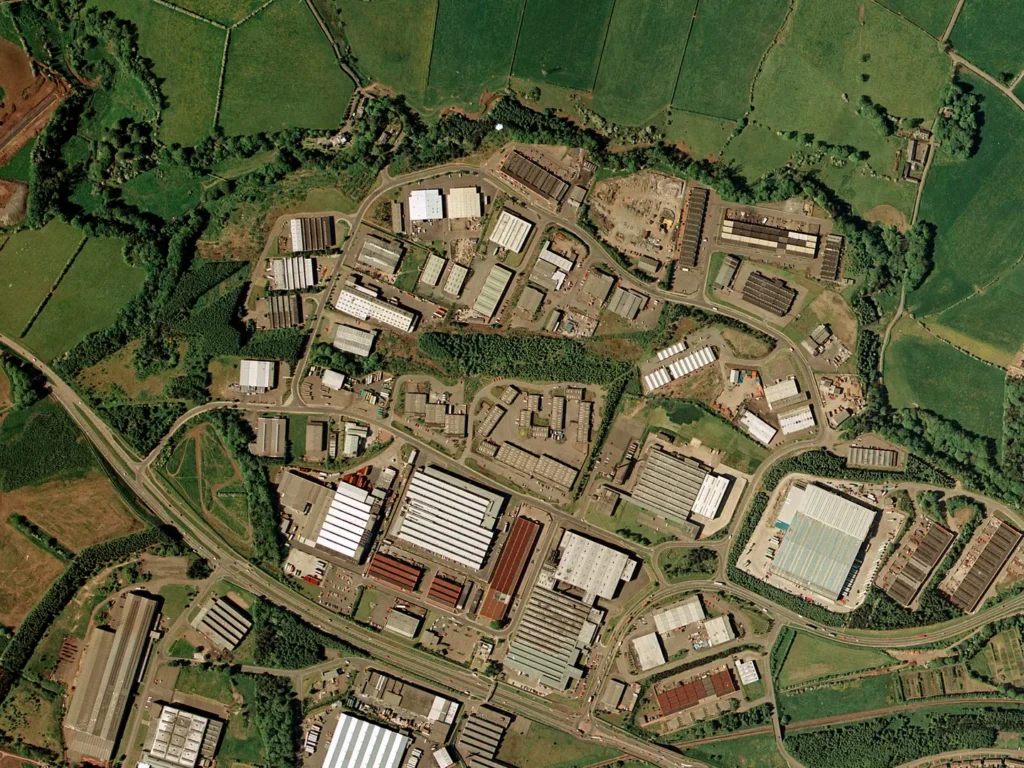
Land Use Mitigation
By integrating academic literature, diverse datasets, and agriculture and forestry modeling, we evaluate the implications of rising land-use demands for biodiversity and carbon storage. We also identify strategies that balance human needs with the preservation of ecosystems, offering pathways to sustain both livelihoods and the environment under mounting land pressures. Our research assesses how these pressures drive the conversion of native habitats and intensify competition for land.
We examine the environmental impacts of agricultural production and food consumption, with a focus on achieving food security and sustainability. For example, we assess the carbon costs of agricultural systems using GlobAgri modeling framework and compare livestock production emissions using accounting tools such as Carbon Opportunity Costs. We also examine how dietary choices shape environmental outcomes, from climate impacts, groundwater quality, to health consequences. By combining socioeconomic and policy analysis, agricultural modeling, and life cycle assessment, we provide evidence-based pathways to transform agricultural practices and consumer behavior, supporting sustainable diets and resilient food systems.
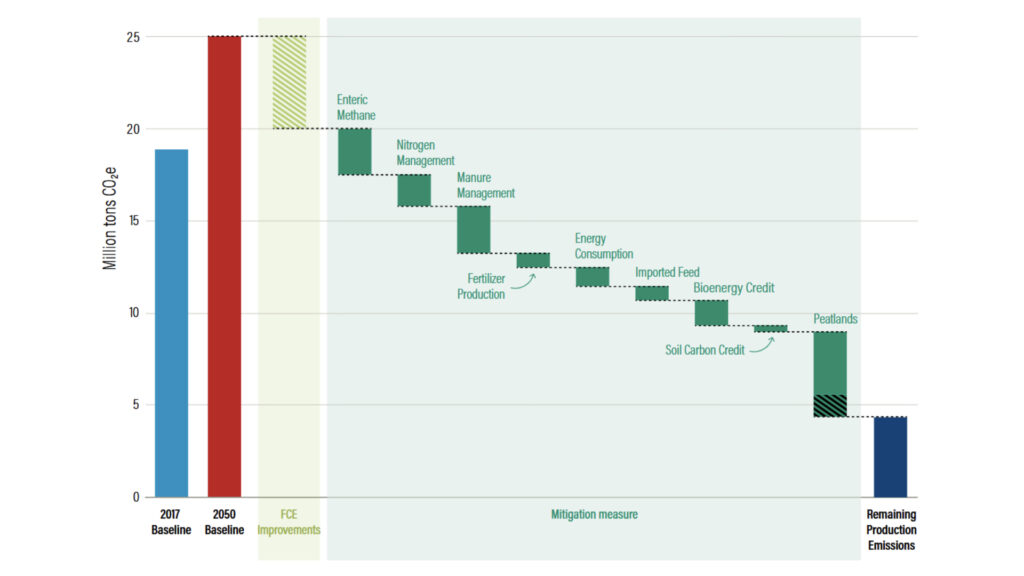
Searchinger, T. D., Zionts, J., Peng, L., Wirsenius, S., Beringer, T., & Dumas, P., 2021. A Pathway to Carbon Neutral Agriculture in Denmark. World Resources Institute. https://doi.org/10.46830/wrirpt.20.00006
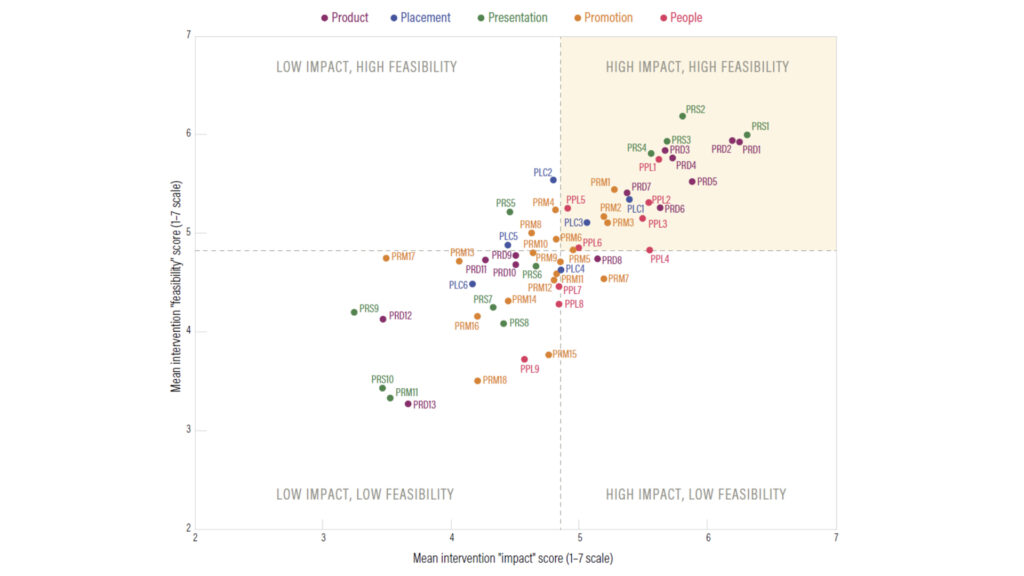
Attwood, S., Peng, L., Zeng, H., Blondin, S., & Fu, X., 2023. Opportunities To Achieve Healthy, Sustainable Food Choices in China Through Behavior Change. World Resources Institute. https://doi.org/10.46830/wrirpt.22.00012
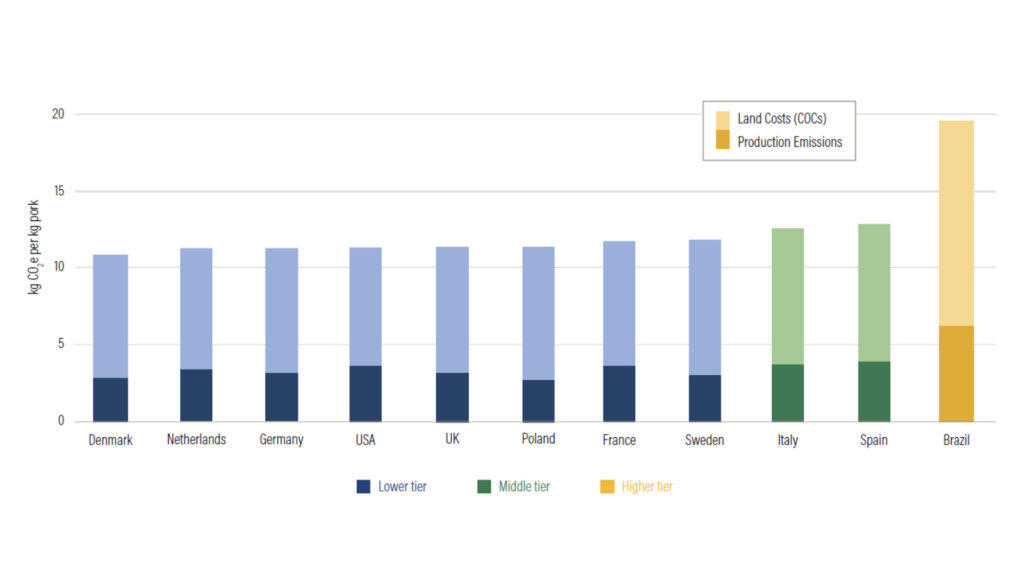
Wirsenius, S., T. Searchinger, T. D., Zionts, J., Peng, L., Beringer, T., & Dumas, P., 2020. Comparing the Life Cycle Greenhouse Gas Emissions of Dairy and Pork Systems Across Countries Using Land-Use Carbon Opportunity Costs. World Resources Institute. https://www.wri.org/research/comparing-life-cycle-greenhouse-gas-emissions-dairy-and-pork-systems-across-countries
Selected publications
- Zhan, Y., Guo, Z., Podgorski, J., Zeng, Z., Xu, P., Peng, L., Chen, K., Wu, R., Ding, C., Andrews, C., Babovic, V., & Zheng, C., 2025. Changes in meat consumption can improve groundwater quality. Nature Food, 6(1), 703–714. https://doi.org/10.1038/s43016-025-01188-x
- Hadjikakou, M., Bowles, N. I., Geyik, O., Conijn, S. J. G., Mogollón, J. M., Bodirsky, B. L., Muller, A., Weindl, I., Moallemi, E. A., Shaikh, M. A., Damerau, K., Davis, K. F., Pfister, S., Springmann, M., Clark, M., Metson, G. S., Röös, E., Bajzelj, B., Graham, N. T., Wisser, D., Doelman, J. C., Deppermann, A., Theurl, M. C., Pradhan, P., Stevanović, M., Lauk, C., Chang, J., Heck, V., Ercin, E., Peng, L., …, Zhang, X., & Bryan, B. A., 2025. Ambitious food system interventions required to mitigate the risk of exceeding Earth’s environmental limits. One Earth, 8(9), 101351. https://doi.org/10.1016/j.oneear.2025.101351
- Searchinger, T. D., Peng, L., Zionts, J., & Waite, R., 2023. The Global Land Squeeze: Managing the Growing Competition for Land. World Resources Institute. https://doi.org/10.46830/wrirpt.20.00042
Drought &
Ecosystem Stress
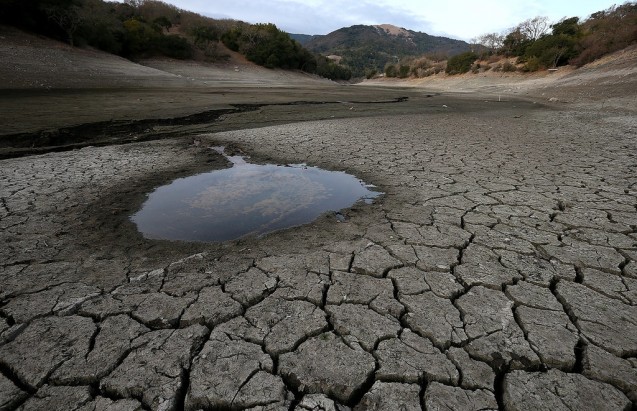
We investigate the drivers of water resources and drought risk, focusing on how atmospheric demand and land–atmosphere coupling regulate evapotranspiration. Our research identified the central role of vapor pressure deficit in shaping evaporative demand and revealed its misrepresentation in many physical models. Using FLUXNET data, we uncovered the link between surface water stress and canopy–atmosphere interactions and evaluated whether land surface models accurately capture these processes. By highlighting the importance of canopy structure and vegetation traits, we reconcile discrepancies between field observations, large-scale models, and satellite retrievals. These advances bridge theoretical understanding with applied monitoring, providing tools for improved drought assessment and agricultural water management.
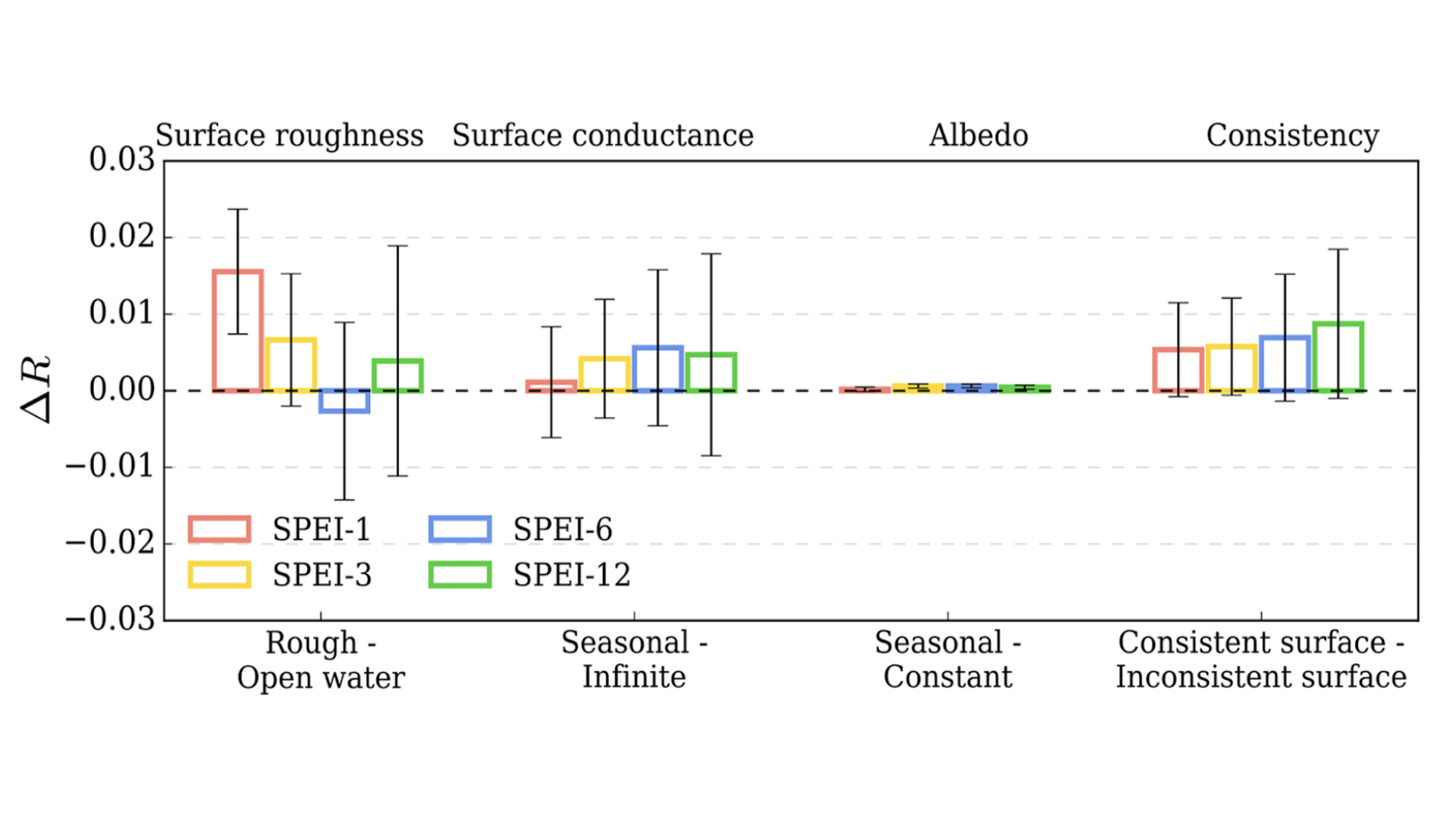
Peng, L., Sheffield, J., Wei, Z., Ek, M., & Wood, E. F., 2024. An enhanced Standardized Precipitation–Evapotranspiration Index (SPEI) drought-monitoring method integrating land surface characteristics. Earth System Dynamics, 15, 1277-1300. https://doi.org/10.5194/esd-15-1277-2024
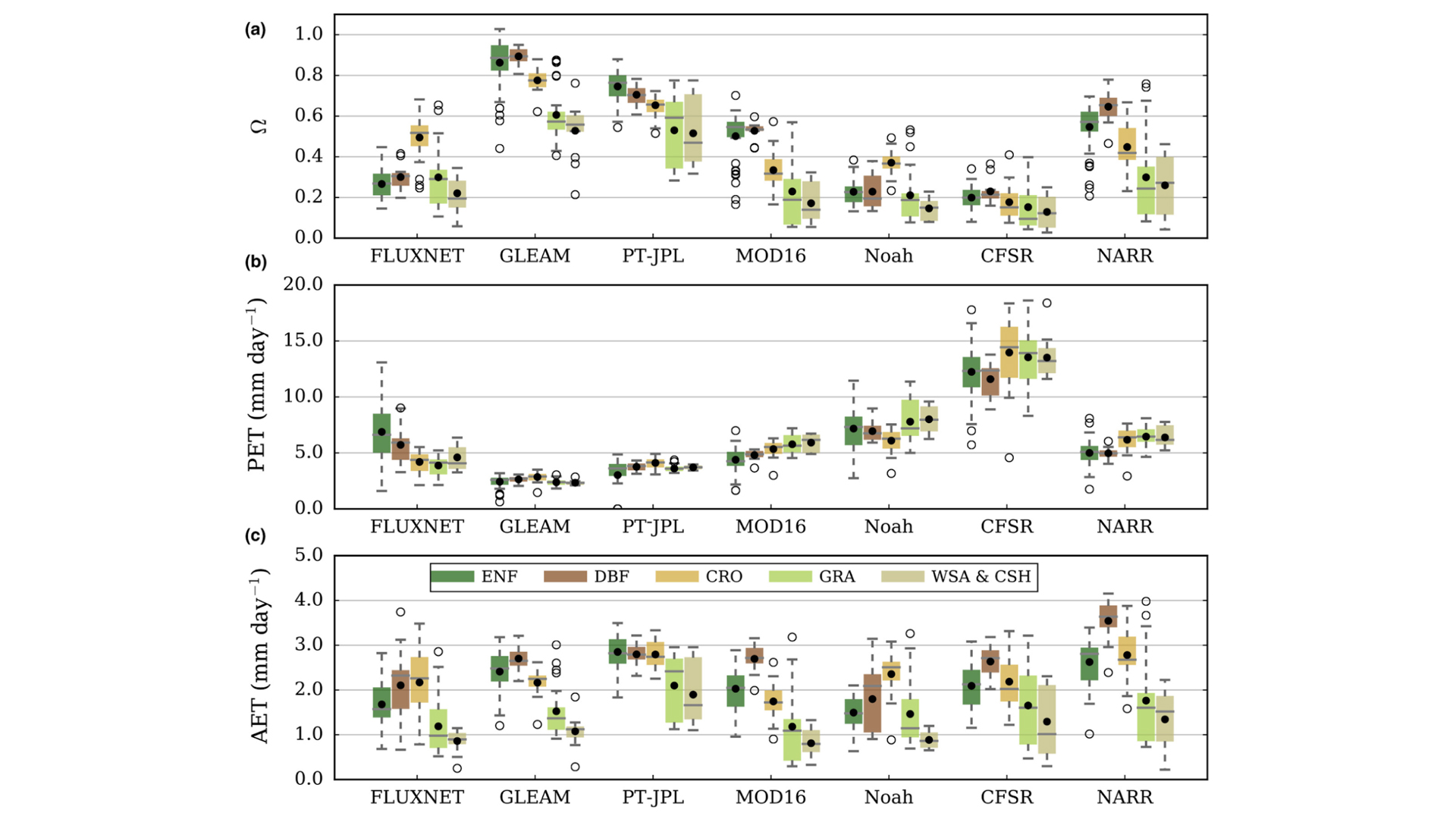
Peng, L., Zeng, Z, Wei, Z., Chen, A., Wood, E. F., & Sheffield, J., 2019. Determinants of the ratio of actual to potential evapotranspiration. Global Change Biology, 25(4), 1326–1343. https://doi.org/10.1111/gcb.14577
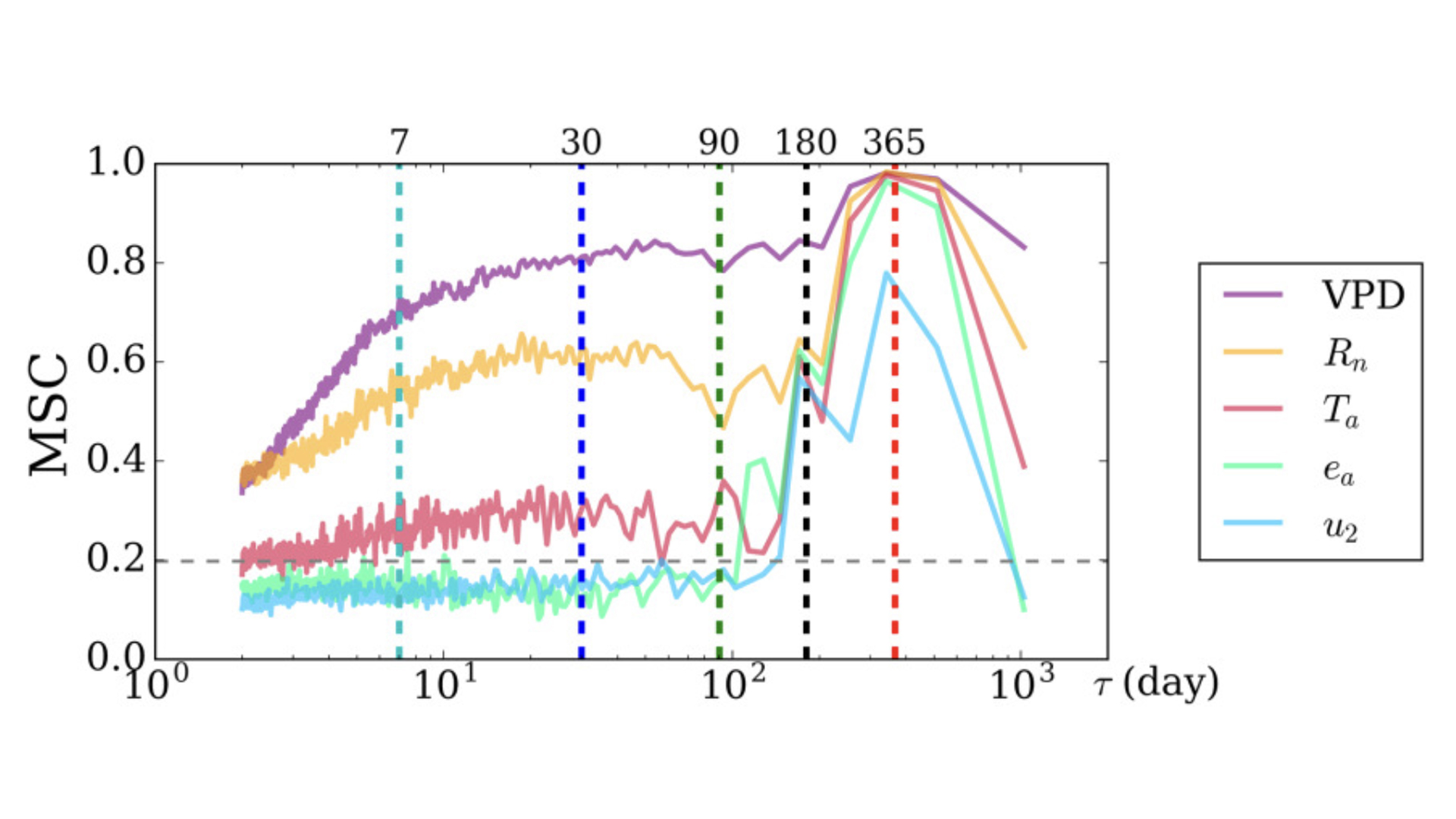
Peng, L., Li, D., & Sheffield, J., 2018. Drivers of variability in atmospheric evaporative demand: Multiscale spectral analysis based on observations and physically based modeling. Water Resources Research, 54(5), 3510-3529. https://doi.org/10.1029/2017WR022104
Selected publications
- Peng, L., Wei, Z., Zeng, Z., Lin, P., Wood, E. F., & Sheffield, J., 2021. Reducing solar radiation forcing uncertainty and its impact on surface energy and water fluxes. Journal of Hydrometeorology, 22(4), 813-829. https://doi.org/10.1175/JHM-D-20-0052.1
- Zeng, Z.*, Peng, L.*, & Piao, S., 2018. Response of terrestrial evapotranspiration to Earth’s greening. Current Opinion in Environmental Sustainability, 33, 9-25. https://doi.org/10.1016/j.cosust.2018.03.001