
May, 2026
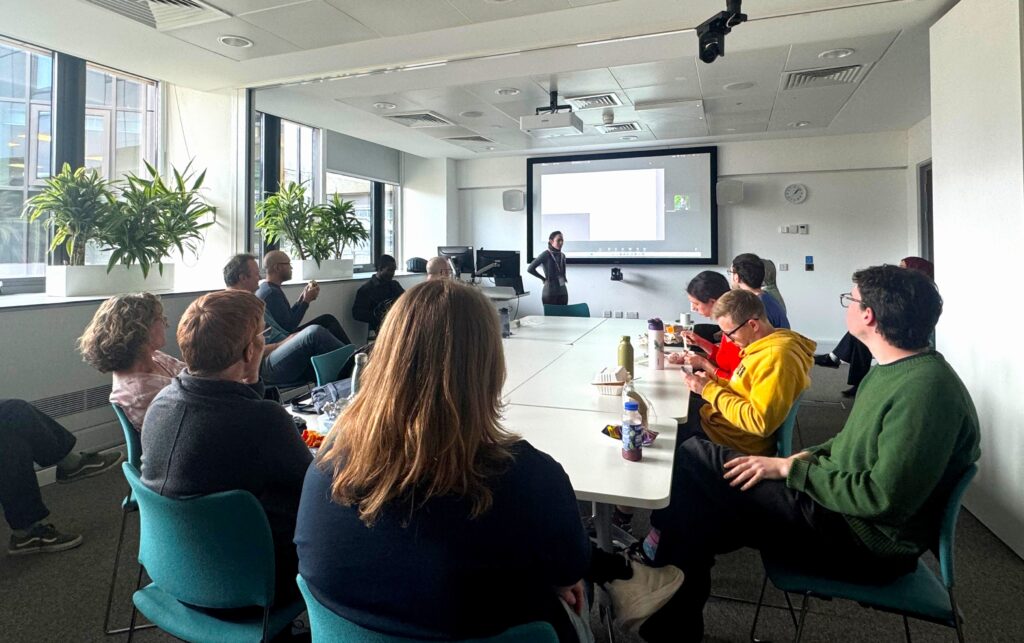
Liqing has started her visiting fellowship at the University of Cambridge and is based at Hughes Hall. One of the most exciting first impressions has been the highly collaborative atmosphere at the David Attenborough Building, where research, conservation NGOs, and education feel closely connected. The photo captures a lab lunch with the Conservation Science Group.
May, 2026
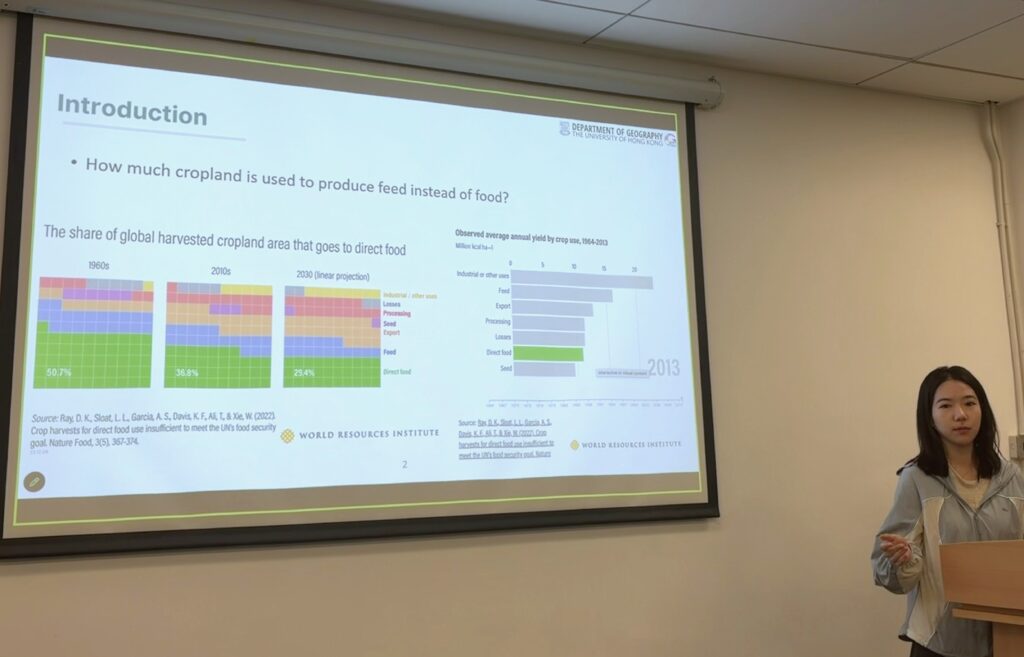
Chunyue has successfully completed her PhD probation. Her research focuses on the transition of ruminant livestock production systems in China over the past two decades. She will continue to explore potential pathways for improving production efficiency and land sustainability.
May, 2026
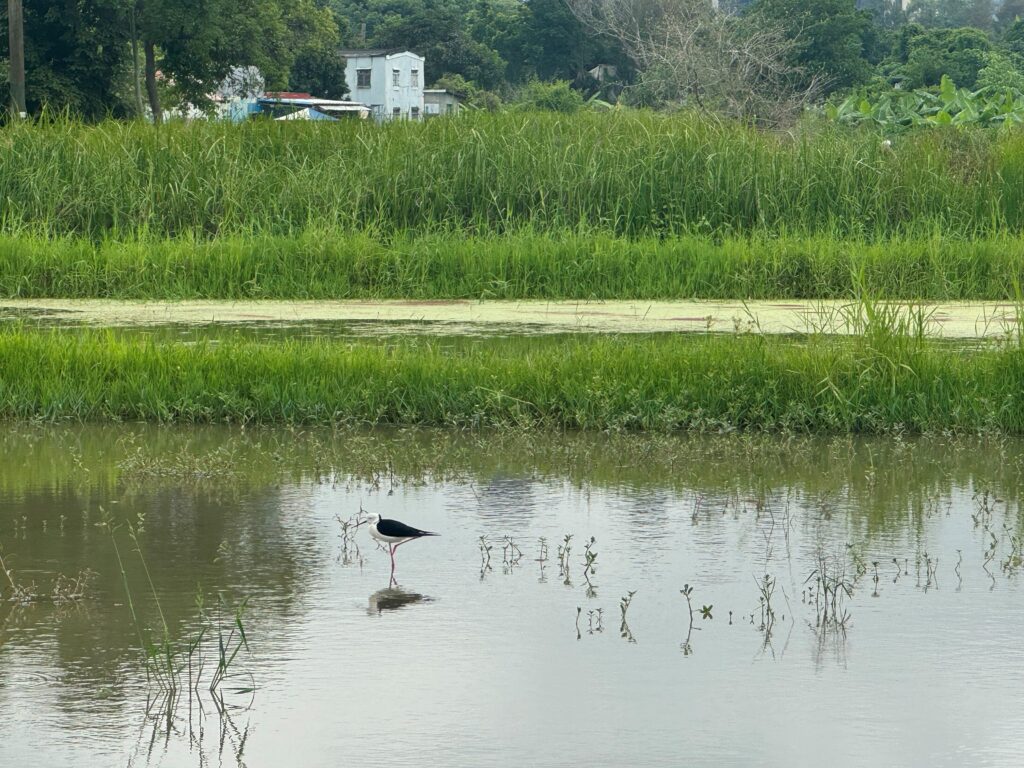
On May 6, Liqing visited Long Valley, Hong Kong’s largest contiguous freshwater wetland and one of the most important agricultural landscapes. This area is quite unique in a sense that it provides a living example of social-ecological transformation in the city, where wetland conservation, farming, biodiversity protection, nature education, and rural stewardship are integrated within a rapidly urbanizing landscape.
APRIL, 2026
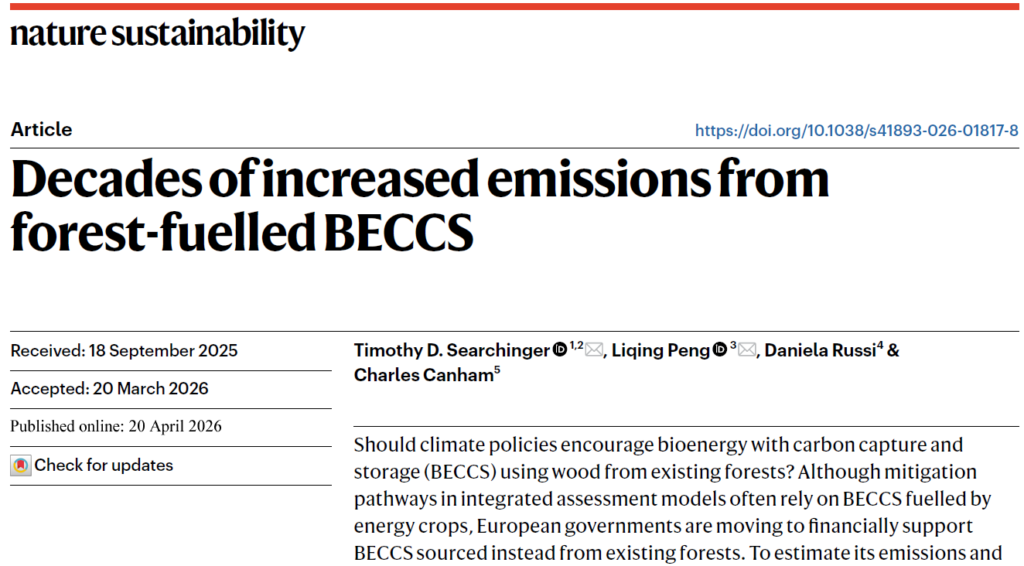
Can wood-based BECCS really deliver the negative emissions it promises? Our paper in Nature Sustainability provides a full carbon accounting of forest-based BECCS, from harvest and regrowth to processing, combustion, and carbon capture. It shows that once all system-wide carbon losses are counted, wood-based BECCS often emits more than natural gas with CCS, making meaningful climate benefits much harder to achieve than commonly assumed. Read more in our blog here
April, 2026
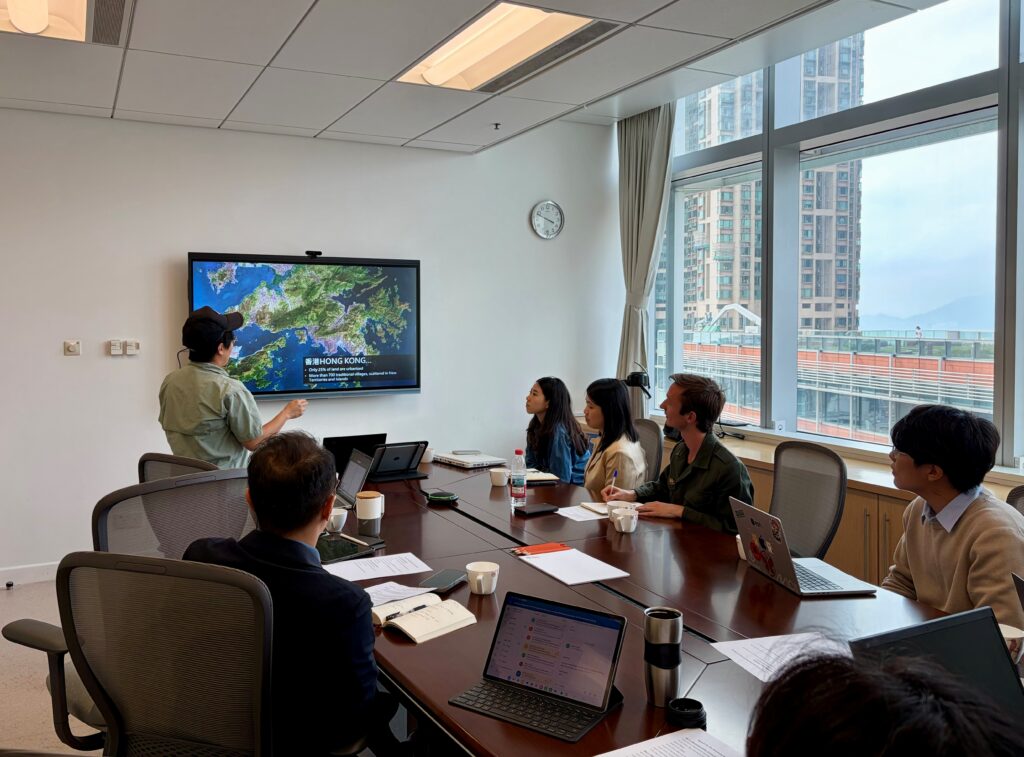
On April 10–11, we hosted a Nature-based Solution (NbS) Exchange Workshop at HKU. On Day 1, our visiting guest Simon Racé shared case studies from Europe, followed by presentations from colleagues, Katie Chick and Darwin Leung, at the HKU Centre for Civil Society and Governance (CCSG) on their ongoing pilot projects. On Day 2, the exchange continued with a field trip to Lai Chi Wo, where participants visited local project sites and discussed opportunities for applying NbS in Hong Kong’s rural landscapes.
February, 2026
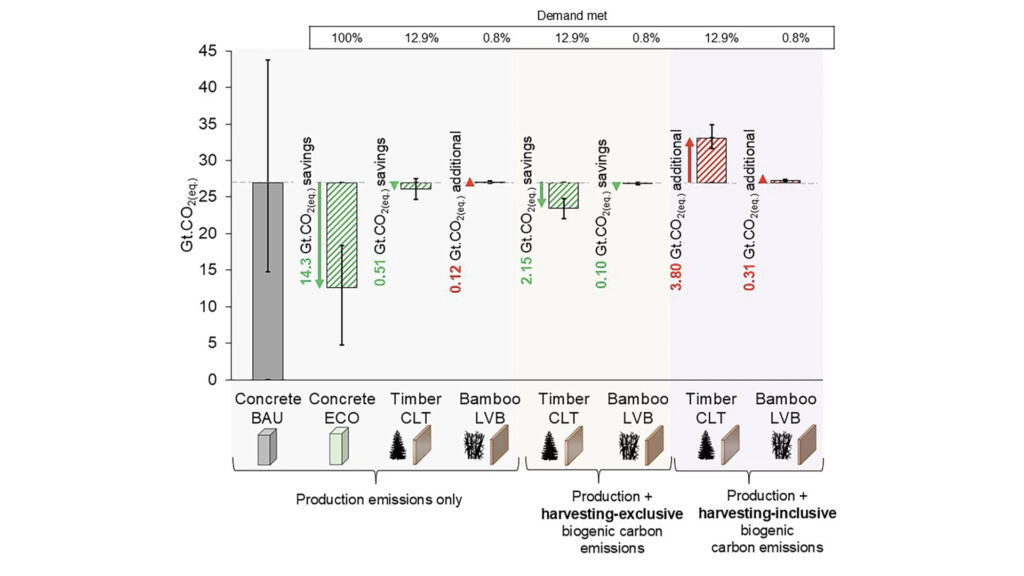
How can we build the homes the world needs without destroying habitats on our planet? Our paper in Communications Sustainability evaluates realistic pathways to decarbonize construction materials by 2050. It shows that while sustainable biomass supply is constrained for engineered bio-based products, low-carbon concrete can scale globally, offering a practical route to deliver housing and cut embodied carbon.
November, 2025
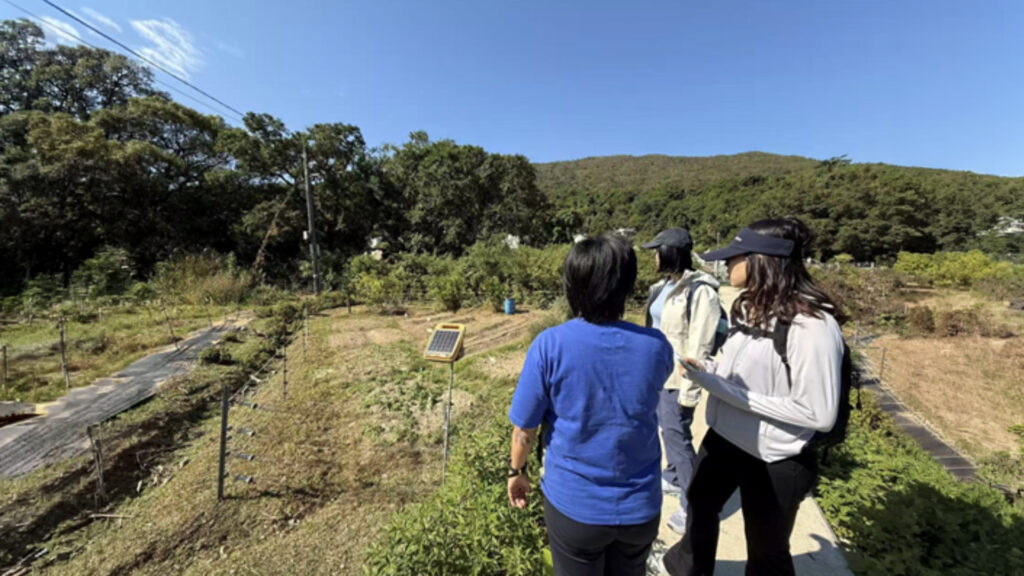
We recently visited the Lai Chi Wo coffee plantation to learn how agroforestry is being practiced in Hong Kong. Over the past decade, Lai Chi Wo’s coffee plantation has grown from a small pilot into a signature local agroforestry effort—rehabilitating abandoned terraces, expanding plantings, and learning-by-doing from early trial harvests.

November, 2025
We are excited to share that Liqing has been awarded the Sino-British Fellowship. We are really excited for the collaborations and new ideas this opportunity will bring.

October, 2025
This Nature reply continues an important conversation on forest carbon accounting. We clarify key assumptions and methodological choices about the carbon implications of wood harvesting and forest management. The goal is to keep the debate constructive and transparent—so evidence can better inform forest policy and climate solutions.
October, 2025
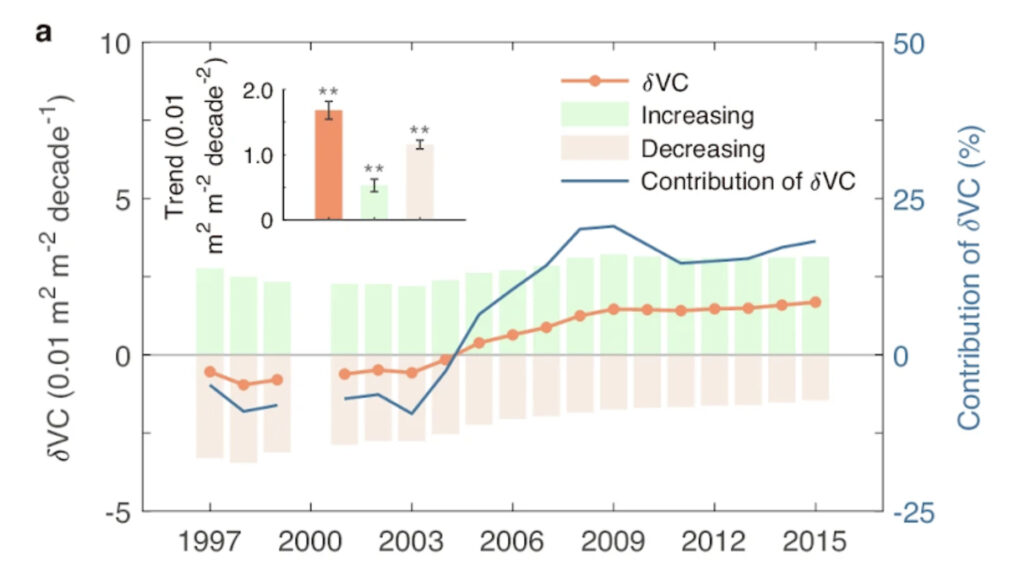
Why is the planet “greening” and how much of it is actually driven by real changes in vegetation cover? In our recent analysis in Nature Communications, we combine satellite observations with a data-driven attribution framework to quantify how vegetation cover changes global leaf area index (LAI) trends since the 1980s. We find vegetation cover change increasingly explains observed LAI, with tree-cover gains in the Northern Hemisphere partly offset by tropical deforestation.
October, 2025
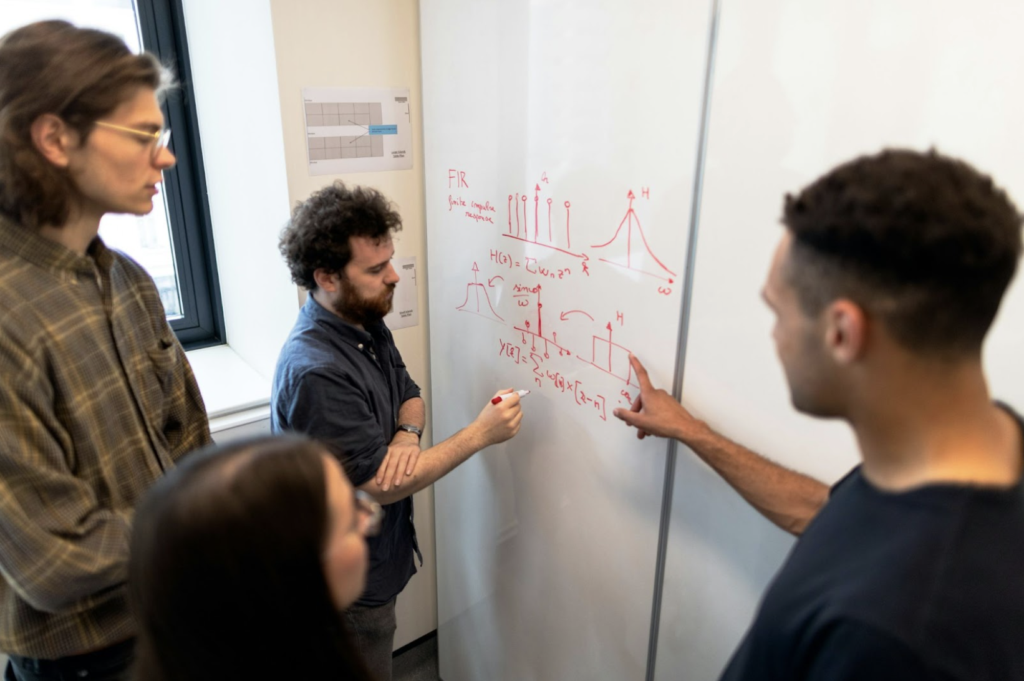
We are recruiting new PhD students for 2026 fall. Please see Join Us for details.
September, 2025
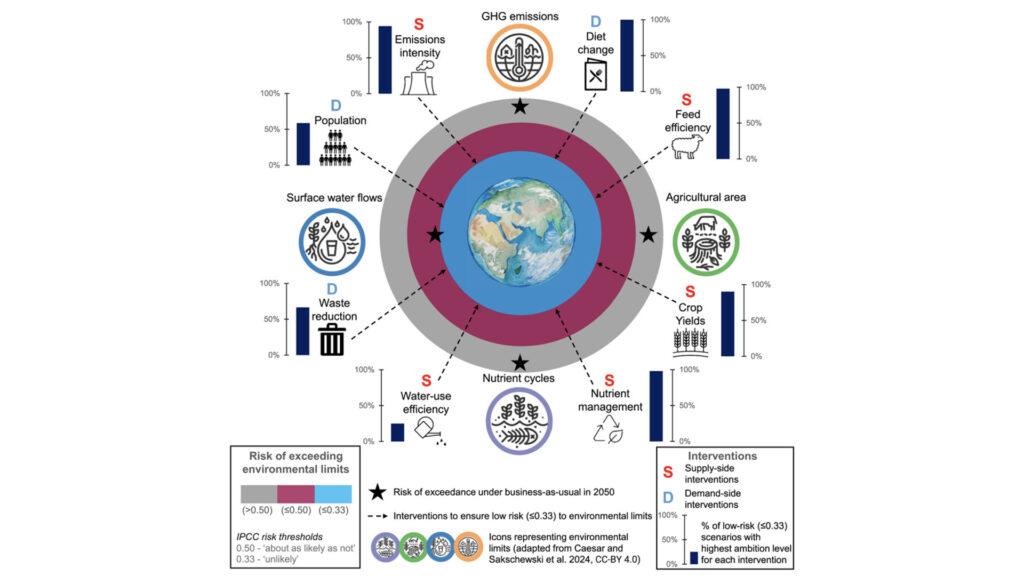
Staying within Earth’s environmental limits won’t happen with incremental tweaks. This global comparison study shows we likely need ambitious, combined interventions—including lower animal-source-food diets, major improvements in farming efficiency and nutrient management, and reductions in overconsumption and food waste—to meaningfully cut the risk of crossing key planetary thresholds.
September, 2025
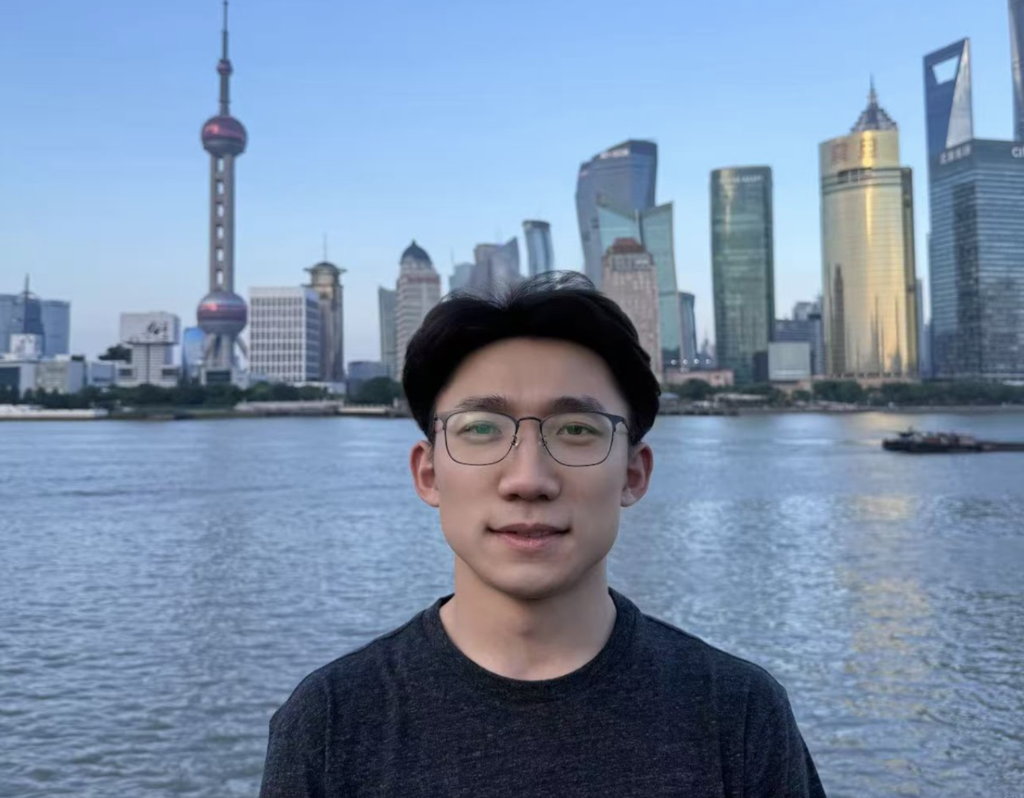
We are pleased to welcome Shihan Wang to APLUS. He is deeply curious about the full spectrum of processes linking satellite observations and ground-based measurements.

July, 2025
Liqing conducted a short-term research visit at the Department of Earth System Science at Tsinghua University.
July, 2025
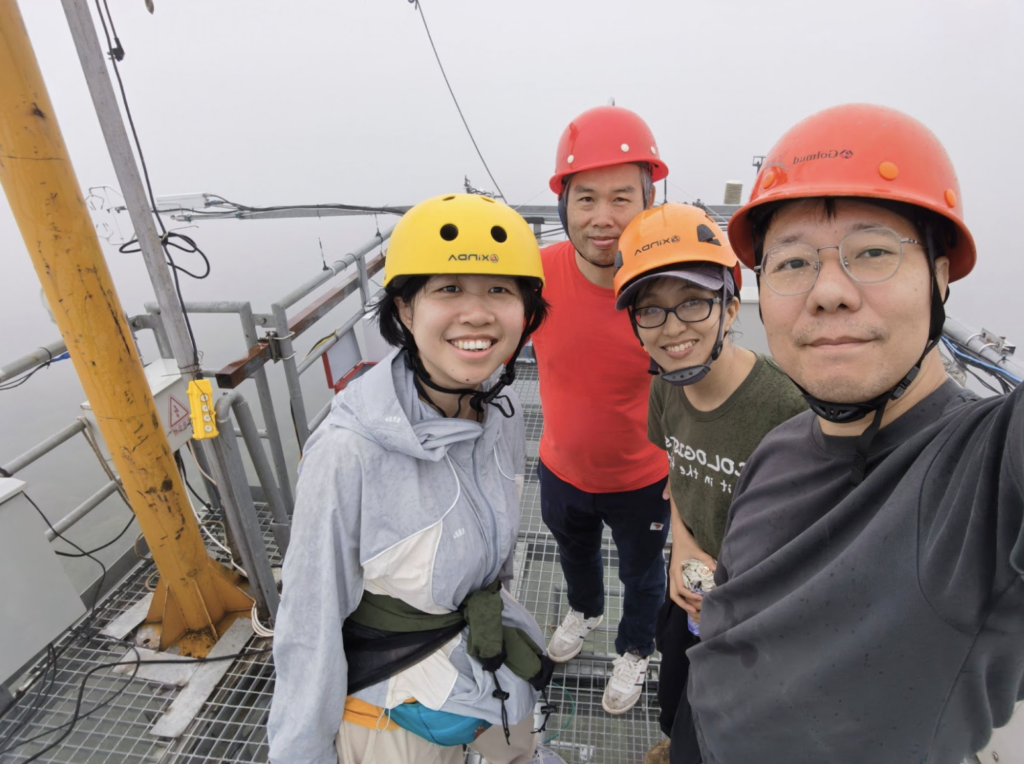
Liqing visited the mountain forest carbon-sink ecological site in Longyan (Fujian Province), a cutting-edge flux-tower platform designed specifically for complex mountainous terrain. The site features two fixed towers spanning a valley, plus a cable-driven moving tower/platform that traverses between them (super cool!). This allows near-continuous measurements of CO₂, water vapor, energy and related exchanges across topographic gradients.
June, 2025
This analysis in Nature Geoscience finds that preserving woody debris (e.g., logging residues, mill wastes) by placing it deeper in soils could extend carbon residence times and enable CO₂ removal potential in managed forests.
June, 2025
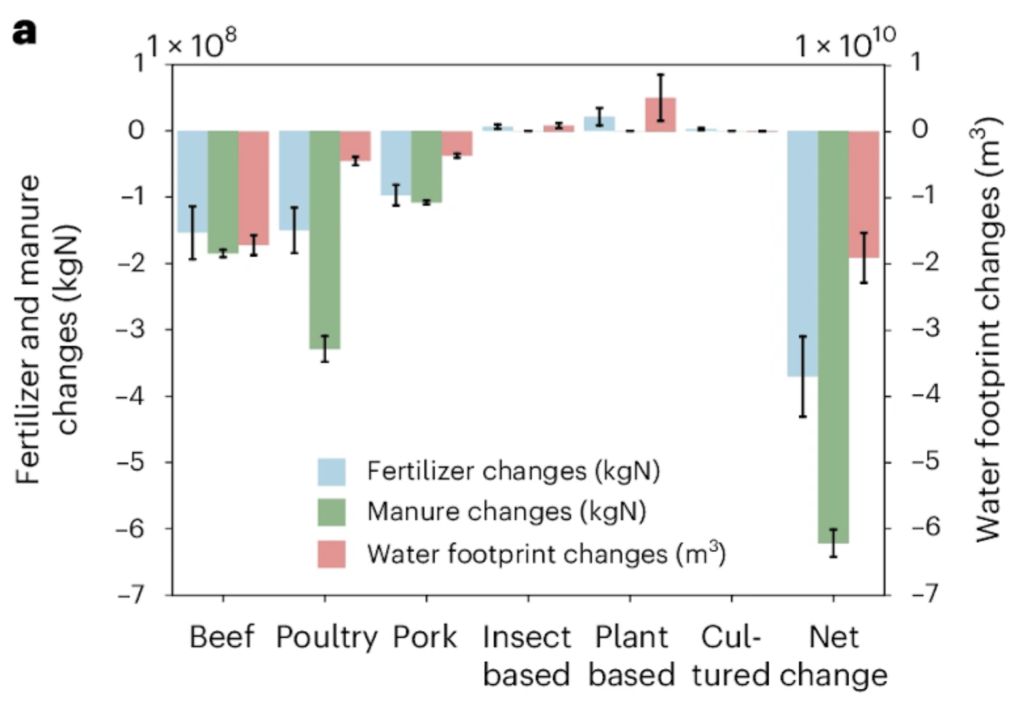
How do our diets ripple through water systems? Our paper in Nature Food links shifts in meat consumption to changes in agricultural nutrient pollution, showing that dietary change can be a powerful lever for improving groundwater quality alongside farm management. It adds a fresh “water-quality” dimension to food-system sustainability conversations.
May, 2025
We are excited to share that Liqing has been awarded the HKU-Cambridge Fellowship. We are really excited for the collaborations and new ideas this opportunity will bring.

January, 2025
We are pleased to welcome Chunyue to APLUS. She is broadly interested in agricultural carbon mitigation and food security.
December, 2024
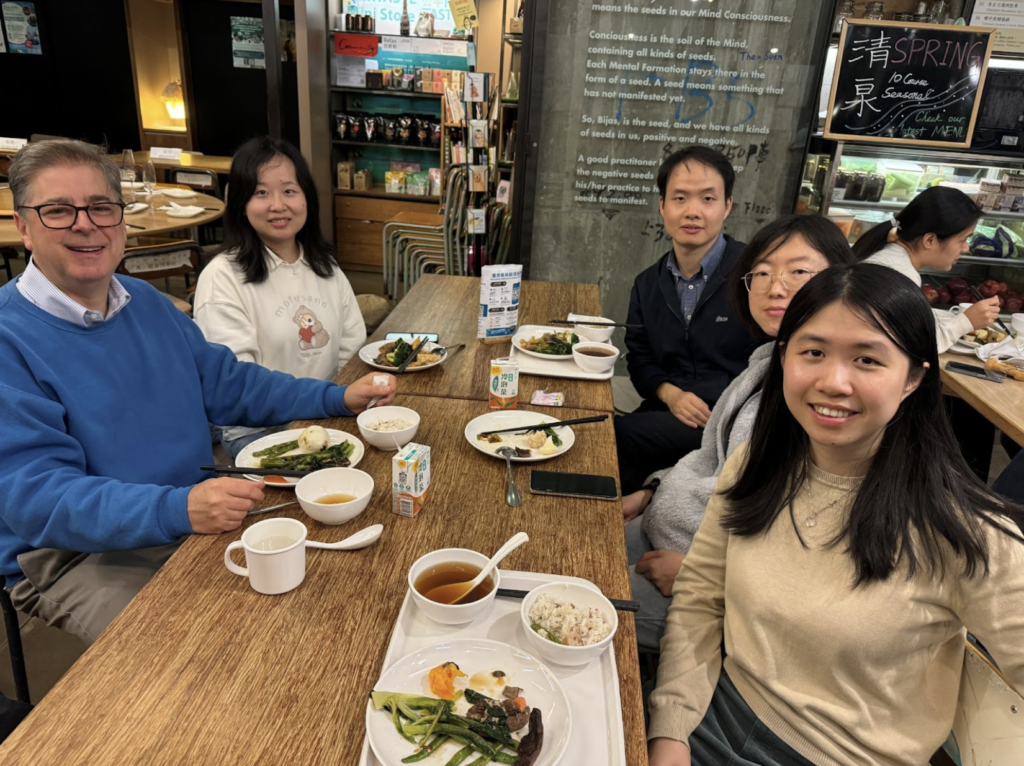
We were delighted to welcome distinguished Princeton research scholar Tim Searchinger to APLUS. During his visit, we hosted a focused workshop on Sustainable Agriculture in China, bringing together Tim with Professors Zhenzhong Zeng, Yixin Guo, and Peng Zhu for an engaging exchange on research frontiers, policy relevance, and opportunities for collaboration.
October, 2024
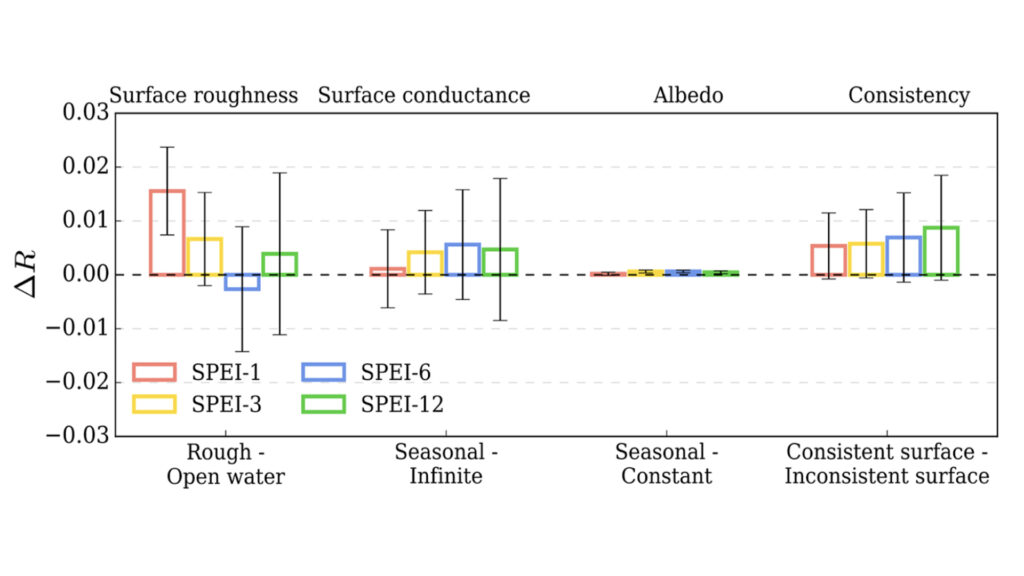
Drought indices often assume the land surface is “uniform,” but real landscapes aren’t. Our paper proposes an enhanced SPEI approach that integrates land-surface and vegetation characteristics into estimating evaporative demand, improving drought monitoring, especially in the forests where surface properties strongly shape how quickly moisture is pulled from soils and vegetation.